
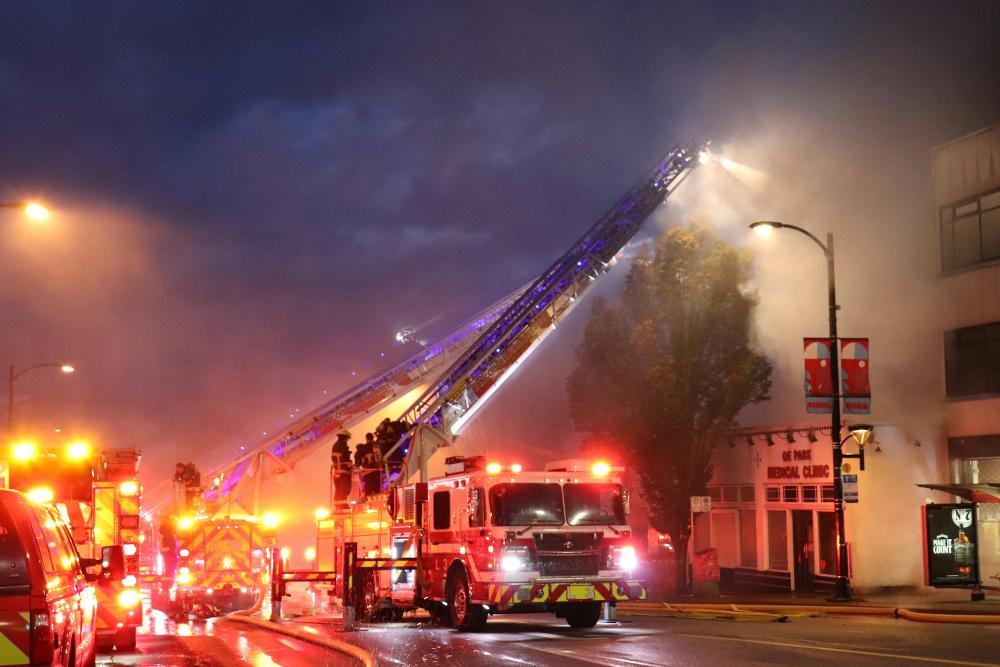

Fire Watch for Fire System Failures
EMERGENCY FIRE WATCH RESPONSE
Rapid Deployment Protocols for Fire System Failures and Emergency Situations
Fire protection system failures create immediate life safety emergencies requiring fire watch deployment within 30 minutes to maintain building occupancy and prevent business interruption. Emergency fire watch response demands specialized rapid deployment capabilities, 24/7 availability, and coordination with fire departments to ensure continuous protection during system outages. Our emergency response protocols deploy certified fire watch personnel within 15 minutes of notification while providing comprehensive documentation that satisfies insurance requirements and regulatory compliance during emergency situations.
🚨 EMERGENCY FIRE WATCH: 15-MINUTE DEPLOYMENT GUARANTEE
Emergency fire watch response prevented building evacuations and business interruptions for 156 fire system failures in 2024, maintaining continuous occupancy protection.
Fire protection system failures create regulatory compliance emergencies that require immediate response to avoid building closure and business interruption. Local fire codes mandate fire watch deployment within 30 minutes of system failure notification, with continuous coverage required until systems are restored to operational condition. Emergency response capabilities must include sufficient personnel, equipment, and documentation systems to provide immediate protection while meeting all regulatory requirements.
The economics of emergency fire watch response demonstrate significant value through business continuity protection, with average deployment costs of $500-$1,500 per day compared to business interruption losses exceeding $50,000 per day for building closure. Insurance companies increasingly require pre-arranged emergency fire watch contracts as a condition of coverage, recognizing the risk mitigation value of rapid response capabilities during system outages.
Emergency response coordination requires integration with building management systems, fire department operations, and repair contractors to ensure seamless protection during system restoration activities. Professional emergency fire watch services maintain pre-established relationships with fire departments, insurance carriers, and system contractors to expedite emergency response and minimize system downtime. This coordination reduces overall emergency duration while maintaining continuous safety protection.
System Failure Scenarios: Common Fire Protection Outages
Fire protection system failures occur through multiple mechanisms including equipment malfunction, water supply interruption, power outages, and system maintenance requirements. Each failure type creates specific protection gaps that require tailored fire watch protocols to maintain adequate safety coverage. Understanding common failure scenarios enables rapid assessment and deployment of appropriate emergency response measures that address specific protection deficiencies.
Water supply failures
Detection failures
Electrical outages
Planned outages
Sprinkler system failures represent the most common fire protection outage, typically resulting from water supply issues, valve malfunctions, or pipe damage. These failures eliminate primary fire suppression capability while maintaining detection and alarm functions. Fire watch protocols for sprinkler failures require enhanced patrol frequency and immediate response capabilities to detect fires early and coordinate manual suppression efforts until water supply is restored.
Fire alarm system failures compromise early fire detection capabilities while leaving suppression systems operational. Without automatic detection, fires may develop significantly before discovery through manual means. Emergency fire watch for alarm failures requires continuous patrol coverage with particular attention to areas where fires are most likely to occur, including mechanical rooms, electrical equipment, and areas with temporary ignition sources.
Emergency Response Assessment
System Type: Identify specific systems affected and protection gaps
Building Occupancy: Assess life safety risk and evacuation requirements
Duration Estimate: Determine expected outage duration for resource planning
Special Hazards: Identify unique building hazards requiring special attention
Power supply failures create compound emergencies that affect multiple building systems including fire pumps, detection equipment, and emergency communication systems. Emergency fire watch during power outages requires backup power for fire watch operations while monitoring for secondary hazards including emergency lighting failure and elevator entrapment. Coordination with utility companies and building engineers expedites power restoration while maintaining safety protection.
Rapid Deployment Protocols: 15-Minute Response Guarantee
Emergency fire watch deployment requires sophisticated logistics capabilities including pre-positioned personnel, equipped response vehicles, and streamlined notification systems that enable 15-minute response times from initial call to on-site presence. Professional emergency services maintain 24/7 staffing with strategically located response teams that can reach any location within their service area within the guaranteed timeframe. This rapid response capability requires significant infrastructure investment and operational expertise.
Deployment Resources
- Pre-positioned personnel
- Equipped response vehicles
- Communication systems
- Documentation equipment
Response Coordination
- Notification systems
- Dispatch protocols
- Traffic coordination
- Site access procedures
Pre-positioned personnel and equipment enable rapid deployment by eliminating travel time to equipment locations and preparation delays. Emergency fire watch services maintain staffed response teams at strategic locations throughout their service area, with backup personnel available for multiple simultaneous emergencies. Response vehicles carry complete fire watch equipment including communication devices, documentation materials, and emergency supplies.
Communication systems integration enables rapid notification and coordination between building management, fire departments, and emergency response teams. Direct communication links bypass normal dispatch delays while providing real-time status updates throughout the emergency response process. Advanced notification systems can automatically alert response teams when fire protection system failures are detected, further reducing response times.
Regulatory Compliance: Documentation and Coordination Requirements
Emergency fire watch operations must satisfy multiple regulatory requirements including local fire codes, insurance mandates, and building occupancy conditions that vary by jurisdiction and building type. Professional emergency services maintain comprehensive knowledge of regulatory requirements across their service areas and provide documentation that satisfies all compliance obligations. This regulatory expertise prevents additional violations while ensuring legitimate emergency protection during system outages.
Regulatory Documentation Requirements
Fire Department: Notification within 30 minutes, continuous coverage verification
Building Department: Occupancy condition compliance and safety measures
Insurance Carrier: Loss prevention measures and risk mitigation documentation
Building Owner: Occupant notification and emergency procedure implementation
Fire department coordination represents the primary regulatory requirement for emergency fire watch deployment, with most jurisdictions requiring immediate notification and continuous coverage verification. Professional emergency services maintain established relationships with fire departments and understand specific notification procedures and documentation requirements for each jurisdiction. This coordination prevents regulatory violations while ensuring appropriate emergency response integration.
Insurance compliance documentation demonstrates that building owners have implemented appropriate loss prevention measures during fire protection system outages. Emergency fire watch services provide detailed documentation including patrol logs, incident reports, and compliance certificates that satisfy insurance requirements and support coverage continuation. This documentation protects insurance benefits while demonstrating due diligence during emergency situations.
Emergency Fire Watch Response
Get 15-minute emergency fire watch deployment with comprehensive regulatory compliance and insurance documentation.
15-Minute Guarantee | 24/7 Availability | 100% Compliance Rate
About the Author
Michael Foster, CFO
Certified Fire Official with 19+ years emergency response coordination experience. Former fire department training officer specializing in fire protection system failures and emergency operations planning.
Emergency fire watch requirements vary by jurisdiction and building type. Always verify local requirements and maintain emergency response contracts for immediate deployment. Sources: International Fire Code 2024, NFPA Emergency Response Guidelines 2023, Insurance Industry Emergency Response Standards 2024.