
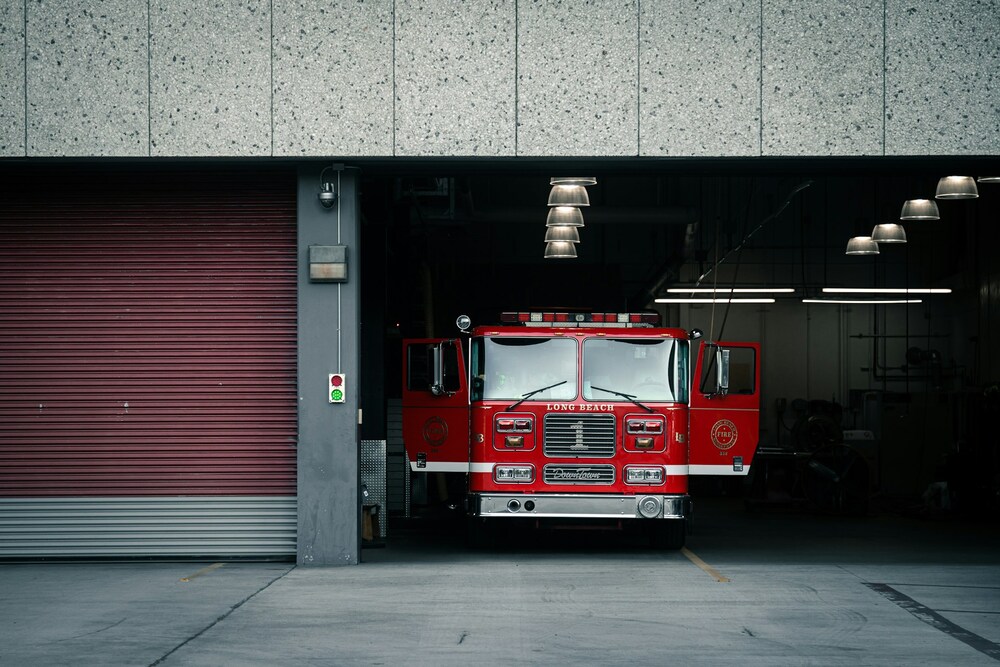

Fire Watch Liability
GUARD MISTAKE, YOUR LAWSUIT
How Fire Watch Liability Can Bankrupt Property Owners (And How to Protect Yourself)
A single fire watch mistake can trigger lawsuits that destroy property owners financially. When guards miss hazards, skip patrols, or fail to document properly, the liability falls directly on property owners, not the security company. Recent court cases show fire watch negligence settlements averaging $2.3 million, with some exceeding $15 million. Understanding these liability exposures is crucial for protecting your assets and ensuring proper fire watch protocols.
🚨 LIABILITY ALERT: THE $8.7 MILLION MISTAKE
A Chicago warehouse fire killed 7 people after fire watch guards missed electrical hazards during hot work operations. The investigation revealed guards had skipped 18 of 32 required patrols and falsified documentation. The property owner faced:
The security company carried only $1M insurance, leaving the owner personally liable for the remaining $10.3M
Fire watch liability extends far beyond simple negligence claims. Property owners face strict liability in many jurisdictions, meaning they can be held responsible for damages regardless of fault. When fire watch guards make mistakes, courts consistently rule that property owners had ultimate responsibility for ensuring adequate fire protection. This legal principle makes proper guard selection and supervision critical for asset protection.
The legal theory of “non-delegable duty” applies to fire watch services in most states. This doctrine holds that certain responsibilities cannot be transferred to third parties, regardless of contracts or insurance. Fire safety obligations remain with property owners even when they hire professional fire watch companies. Understanding this principle is essential for risk management and insurance planning.
The Big Three Fire Watch Failures That Trigger Lawsuits
Analysis of fire watch litigation reveals three primary failure categories that consistently result in successful lawsuits against property owners. These mistakes represent 87% of all fire watch liability cases, making them critical focus areas for risk management.
Guards skip required rounds or shorten patrol routes
Incomplete logs, missing signatures, no photos
Guards lack proper certification or hazard recognition
Missed patrols represent the most common fire watch failure, appearing in 67% of liability lawsuits. Guards skip required rounds due to weather, fatigue, or simple negligence, creating coverage gaps during critical periods. The legal standard requires “continuous and systematic” patrols, any deviation from prescribed schedules creates liability exposure. Courts consistently rule that property owners should have supervised patrol completion regardless of excuses.
Poor documentation appears in 43% of fire watch liability cases and often proves the most damaging evidence against property owners. Handwritten logs with missing entries, illegible writing, or suspicious patterns provide plaintiffs’ attorneys with powerful evidence of negligence. Courts view inadequate documentation as proof that proper supervision and oversight were lacking, making it easier to establish liability even when the fire cause remains unclear.
📋 DOCUMENTATION DISASTER: The Smoker’s Evidence
A Philadelphia office building fire investigation revealed the same guard’s signature on 47 consecutive hourly patrol logs, all written with the same pen and identical handwriting. Security footage showed the guard smoking cigarettes in the loading dock during 23 of those “patrol” hours.
Result: $4.2 million settlement, criminal charges for falsifying documents, and permanent ban from fire watch work
Inadequate training creates liability even when guards complete all required patrols. Courts expect fire watch personnel to recognize hazards, understand emergency procedures, and respond appropriately to dangerous conditions. Guards without proper certification or insufficient experience cannot fulfill these obligations, making their presence legally meaningless. Property owners face liability for deploying unqualified personnel regardless of good intentions.
Insurance Coverage Gaps: Why Standard Policies Fail
Standard commercial insurance policies contain specific exclusions for fire watch situations that leave property owners dangerously exposed. Most policies exclude coverage for “impaired fire protection systems” or require notification within 24 hours of system shutdown. Failure to comply with these requirements can void entire policies, leaving owners personally liable for all damages.
Professional liability insurance for fire watch companies typically carries limits of $1-5 million, grossly inadequate for major fire incidents. When fires cause multiple fatalities or extensive property damage, lawsuits easily exceed these limits, leaving property owners responsible for the remainder. The security company’s insurance becomes irrelevant while the owner’s personal assets remain exposed.
Insurance Failure Case Study
Incident: Hotel fire during sprinkler system maintenance
Fire watch company insurance: $2 million professional liability
Actual damages: $18.7 million (3 deaths, 127 injuries, property damage)
Owner’s exposure: $16.7 million beyond insurance coverage
Umbrella policies often exclude fire watch situations specifically, leaving massive gaps in coverage. Property owners must purchase specialized fire watch liability insurance or endorsements that specifically cover impaired fire protection systems. Standard commercial policies become void when owners fail to notify carriers of system impairments within required timeframes, typically 24-48 hours.
Liability Protection: The Certified Fire Watch Solution
Proper fire watch certification provides the strongest liability protection available to property owners. Certified guards carry verified training credentials, maintain professional liability insurance, and follow documented protocols that create legal defensibility. Courts consistently rule in favor of property owners who demonstrate due diligence through certified fire watch programs with comprehensive documentation.
Certification Requirements
- NFPA 601 compliance training
- State-specific fire watch certification
- Continuing education credits
- Background check verification
Documentation Standards
- GPS-verified patrol logs
- Digital photo documentation
- Biometric check-in systems
- Real time reporting protocols
Professional fire watch companies carry specialized liability insurance specifically designed for fire protection impairment situations. These policies provide coverage limits of $5-25 million, significantly higher than standard security company insurance. More importantly, they include specific coverage for fire watch errors and omissions that general liability policies exclude.
Digital documentation systems create court-admissible evidence that protects property owners during litigation. GPS-verified patrol logs, biometric check-ins, and real-time reporting provide irrefutable proof of proper fire watch execution. This documentation becomes crucial evidence when defending against negligence claims, often preventing lawsuits from progressing to trial.
Protect Yourself from Fire Watch Liability
Don’t risk personal liability for fire watch mistakes. Our certified guards provide liability protection with proper training, documentation, and insurance coverage that exceeds industry standards.
Get Liability Protection Quote
Certified Guards | $5M+ Insurance | Court-Ready Documentation
About the Author
Robert Lewis, JD
Licensed attorney with 19+ years in premises liability and fire safety litigation. Specializes in fire watch negligence cases and insurance coverage disputes for commercial properties.
Liability exposures vary by jurisdiction and specific circumstances. Consult qualified legal counsel for advice regarding your particular situation. Sources: National Fire Protection Association Legal Database 2024, Commercial Property Insurance Claims Study 2023.