

Fire Watch Safety During Building Projects
CONSTRUCTION SITE FIRE PREVENTION
Best Practices for Fire Watch Safety During Building Projects
Construction sites represent the highest-risk environment for fire incidents, with building projects experiencing 3.5 times more fires than occupied buildings due to incomplete fire protection systems, temporary electrical installations, and abundant combustible materials. Construction fire prevention requires comprehensive safety protocols that address multiple simultaneous hazards including hot work operations, temporary heating equipment, and arson risks. Our systematic construction fire watch programs reduce site fires by 79% while ensuring compliance with NFPA 241 and local building codes throughout all construction phases.
🏗️ CONSTRUCTION FIRE PREVENTION: 79% INCIDENT REDUCTION
Comprehensive construction fire watch prevented 47 fires across major projects in 2024, saving $23.4 million in direct damage and business interruption costs.
Construction sites present unique fire safety challenges that differ fundamentally from occupied building fire protection. Incomplete sprinkler systems, temporary electrical installations, and exposed structural elements create fire hazards that can spread rapidly throughout the entire project. The dynamic nature of construction activities means that fire risks change daily as work progresses, requiring adaptive fire watch protocols that evolve with project phases.
The economics of construction fire prevention demonstrate clear value propositions, with average fire losses exceeding $250,000 per incident while comprehensive fire watch services cost less than $500 per day. Beyond direct damage costs, construction fires cause project delays, insurance premium increases, and regulatory scrutiny that can affect project completion and developer reputation. Proactive fire watch investment provides substantial risk reduction at minimal cost.
Construction fire hazards evolve through different project phases, from excavation and foundation work through final finishing activities. Each phase presents distinct fire risks including temporary heating during enclosure, roofing operations that compromise fire barriers, and finishing work that introduces flammable materials and ignition sources. Phase-specific fire watch protocols address these changing hazards while maintaining continuous safety coverage throughout project duration.
Phase-Specific Hazards: Adapting to Construction Progress
Construction fire risks vary significantly across project phases, requiring fire watch protocols that adapt to changing hazards and protection system availability. Foundation and structural phases present welding and cutting hazards with minimal fire protection, while finishing phases introduce combustible materials and temporary heating systems. Each phase requires specialized knowledge of dominant hazards and appropriate monitoring techniques.
Welding hazards
Exposed steel
Temporary heat
Flammable materials
Foundation and site preparation phases involve heavy equipment operations, cutting, and welding activities that create ignition sources in areas with minimal fire protection. Underground utilities, temporary facilities, and construction equipment present fuel sources that can sustain fires in remote areas of the construction site. Fire watch personnel must patrol extensive areas while maintaining communication with equipment operators and work crews.
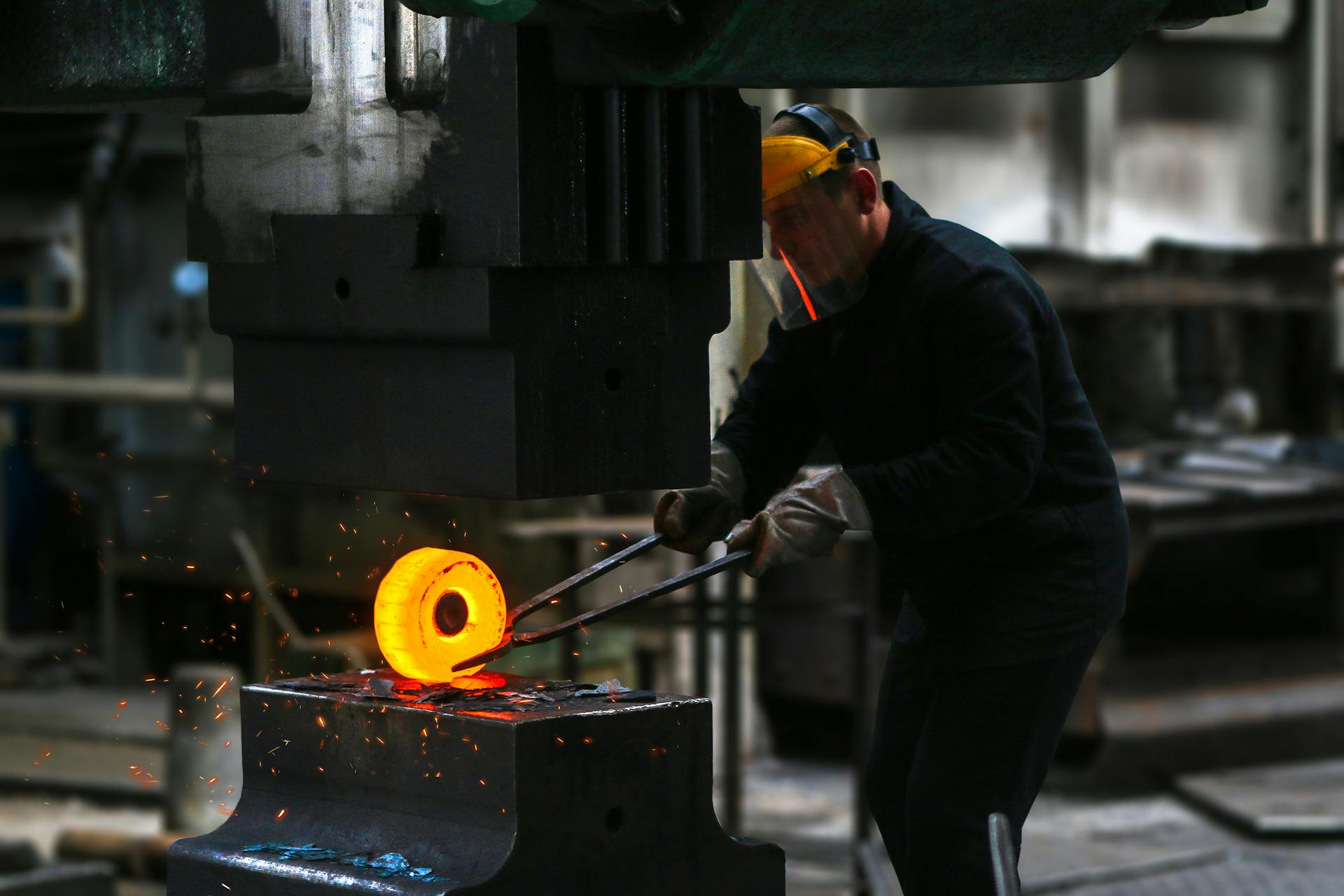
Structural frame erection presents welding and cutting hazards at elevated locations where sparks and molten metal can ignite materials below. Steel frame construction involves continuous welding operations that can last several hours, requiring sustained fire watch coverage with specialized attention to spark travel and slag collection. Fire watch personnel must monitor both the immediate work area and surrounding locations where hot particles might land.
Construction Phase Fire Hazards
Foundation (I): Equipment fires, welding operations, temporary electrical
Structural (II): Welding sparks, cutting operations, exposed combustibles
Enclosure (III): Temporary heating, roofing operations, limited access
Finishing (IV): Flammable materials, spray operations, temporary wiring
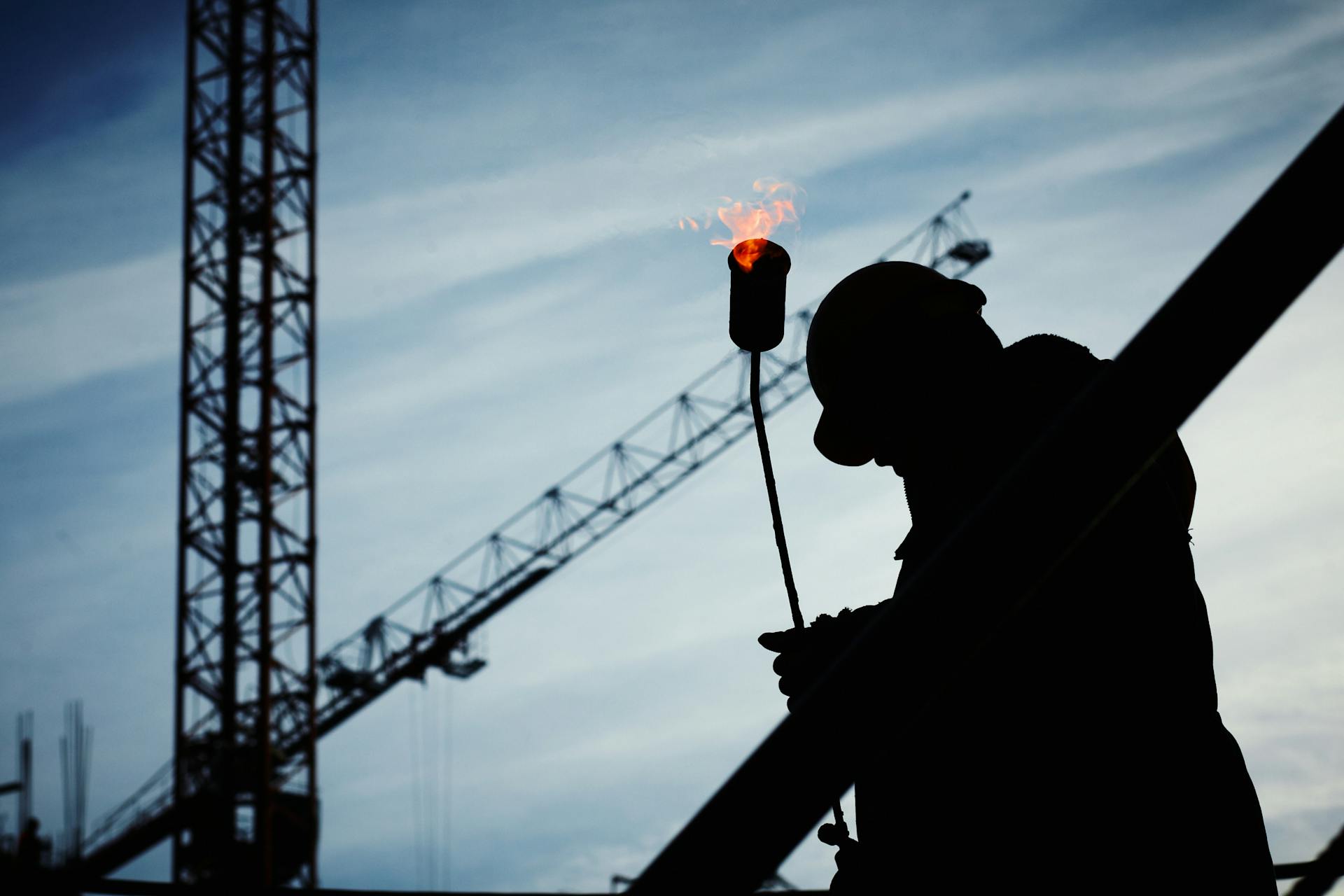
Enclosure and roofing phases create unique fire spread pathways through incomplete fire barriers and temporary openings that allow rapid fire extension throughout the building. Roofing operations using torches or hot asphalt present severe fire hazards that can compromise the entire building envelope. Fire watch protocols must address both interior and exterior fire spread while coordinating with weather conditions that affect fire development.
Temporary System Monitoring: Electrical and Heating Safety
Construction sites rely extensively on temporary electrical systems and heating equipment that create ongoing fire hazards throughout project duration. Temporary wiring, distribution panels, and heating devices operate continuously in harsh environments where damage and deterioration can create ignition sources. Fire watch protocols must include systematic inspection of temporary systems with particular attention to weather protection, overload conditions, and physical damage that could cause electrical fires.
Electrical Hazards
- Temporary wiring damage
- Overloaded circuits
- Wet weather exposure
- Improper connections
Heating Hazards
- Portable heater placement
- Fuel storage issues
- Ventilation problems
- Combustible clearances
Temporary electrical installations must comply with OSHA and NEC requirements for construction sites while providing adequate power for construction activities. Fire watch personnel receive specialized training in electrical hazard recognition including overloaded circuits, damaged wiring, and improper grounding that could cause fires. Regular inspection of temporary electrical systems identifies deteriorating conditions before they cause ignition.
Portable heating equipment monitoring becomes critical during cold weather construction when temporary heaters operate continuously to maintain working conditions and prevent material damage. Propane and diesel heaters create both fuel-related hazards and high-temperature ignition sources that require constant supervision. Fire watch protocols include verification of proper heater placement, fuel storage safety, and adequate ventilation to prevent carbon monoxide accumulation.
Material Storage Management: Controlling Combustible Fuel Loads
Construction sites accumulate large quantities of combustible materials including lumber, packaging, solvents, and finishing materials that create significant fuel loads throughout the project. Material storage areas become high-hazard zones requiring specialized fire watch attention and protection protocols. Effective material management reduces available fuel while ensuring adequate access for firefighting operations and emergency evacuation procedures.
Building separation
Fire department access
Storage pile limit
Construction safety
Pile storage management requires systematic arrangement of combustible materials to minimize fire spread while maintaining accessibility for construction operations. Lumber and plywood storage must maintain separation from buildings under construction while providing adequate clearances for fire department access. Fire watch personnel monitor storage areas for ignition sources, spontaneous heating, and security issues that could lead to intentional fires.
Flammable liquid storage presents severe fire hazards requiring specialized containment, ventilation, and security measures. Paint, solvents, and cleaning chemicals used in finishing operations can create vapor-air mixtures that ignite from minimal ignition sources. Fire watch protocols include verification of proper storage containers, adequate ventilation, and separation from ignition sources including temporary electrical equipment and heating devices.
Construction Site Fire Watch
Protect your construction project with comprehensive fire watch trained in phase-specific hazards and NFPA 241 compliance.
NFPA 241 Certified | Phase-Specific Protocols | 79% Incident Reduction
About the Author
Carlos Bennett, CPC
Certified Professional Constructor with 21+ years construction safety management experience. Former general contractor specializing in high-rise construction and fire safety compliance for major development projects.
Construction fire watch requirements vary by project type and local codes. Always verify specific requirements and coordinate with local fire officials. Sources: NFPA 241 Standard 2024, OSHA Construction Fire Safety Guidelines 2023, Construction Fire Loss Statistics 2024.