
#1 Nationwide Construction Site Fire Watch Guards
We Offer 24/7 Construction Site Fire Watch Services. Get a quote!
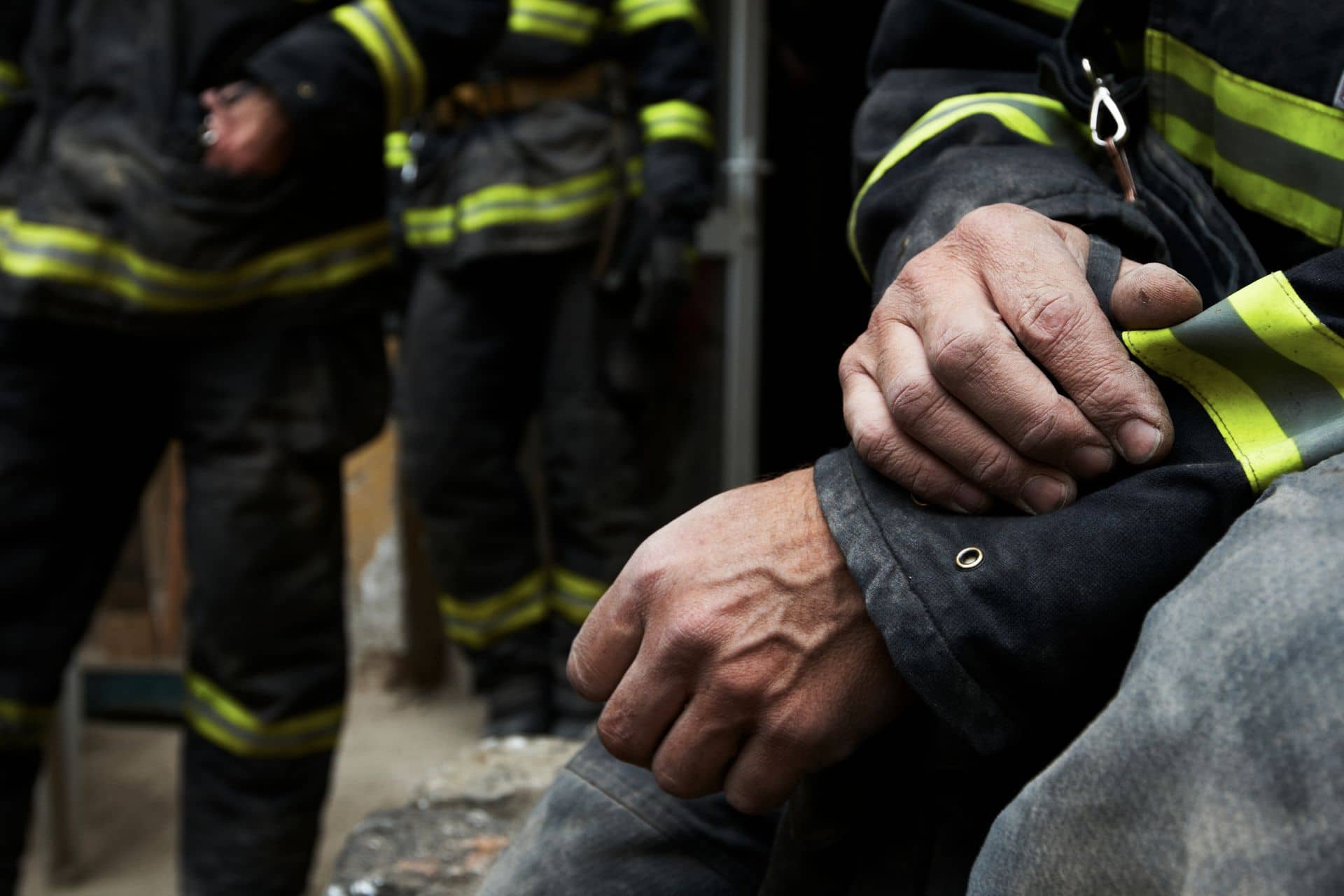

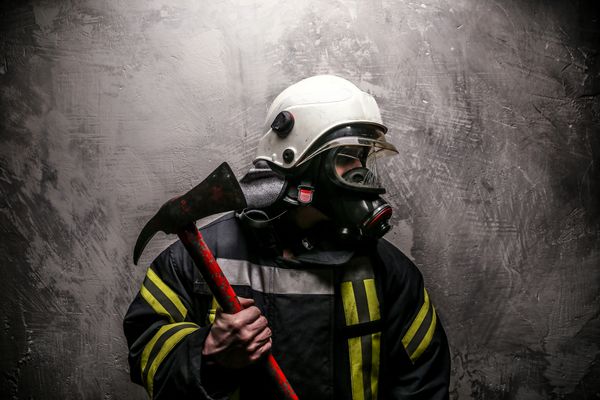
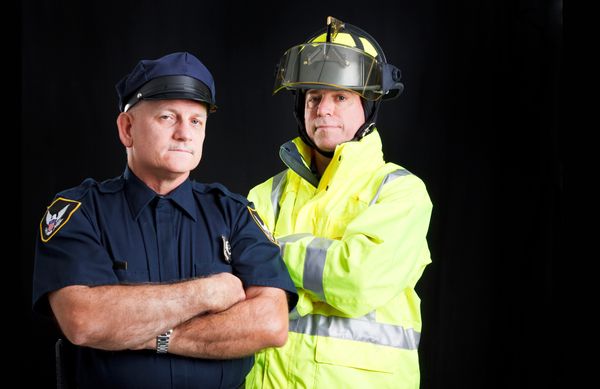
F-01 Certified Fire Guards
| Fire Guards | Typical Fire Guards | F-01 Certified |
|---|---|---|
| FDNY Compliance | ❌ Uncertified | ✅ Legal requirement |
| Impairment Knowledge | Basic | ✅ Trained per NFPA 25/FC 401 |
| Response Time | 4-24 hours | ✅ <2 hours (avg.) |
| Violation Risk | Medium | ✅ 0% (since 2020) |
Construction Fire Watch
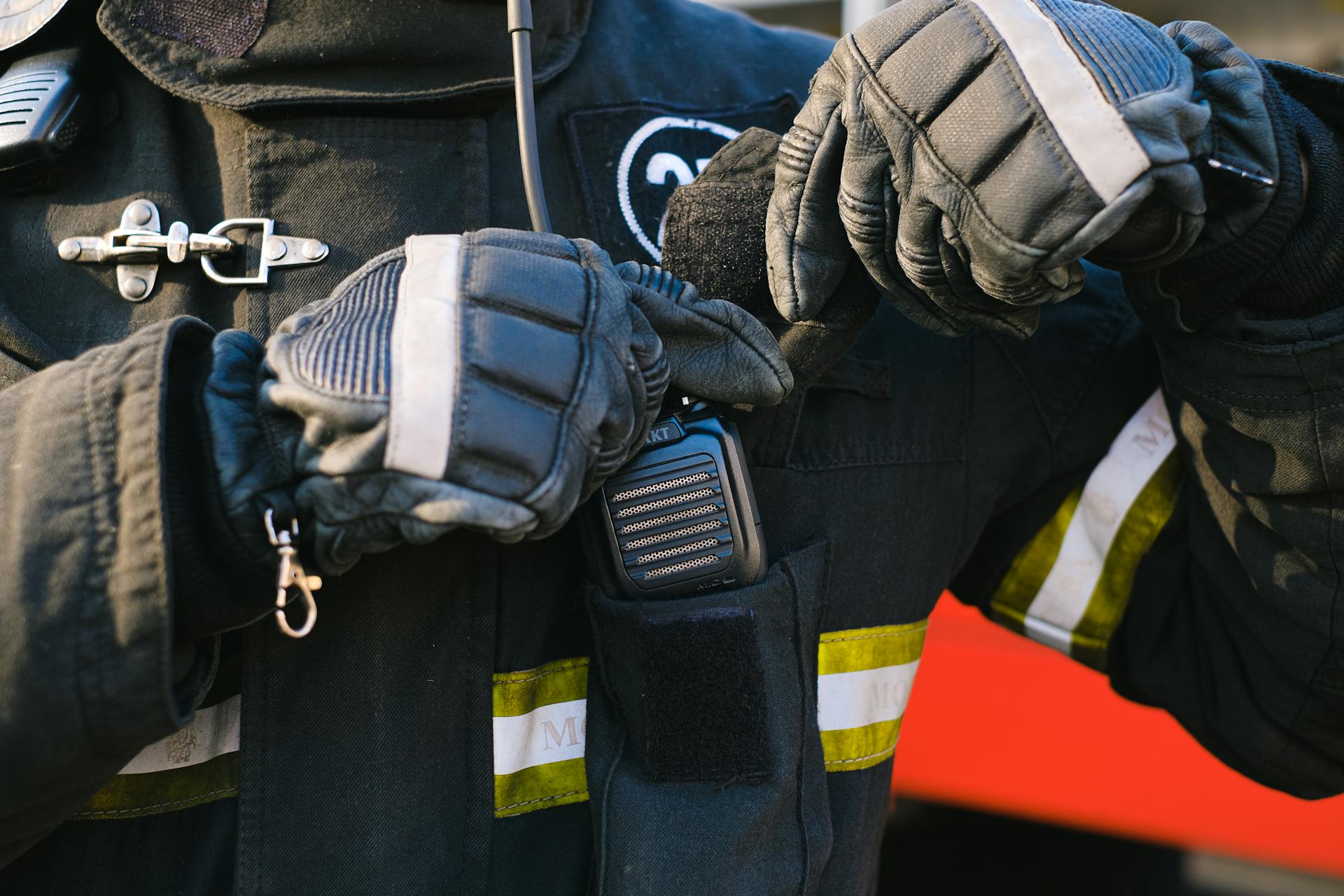
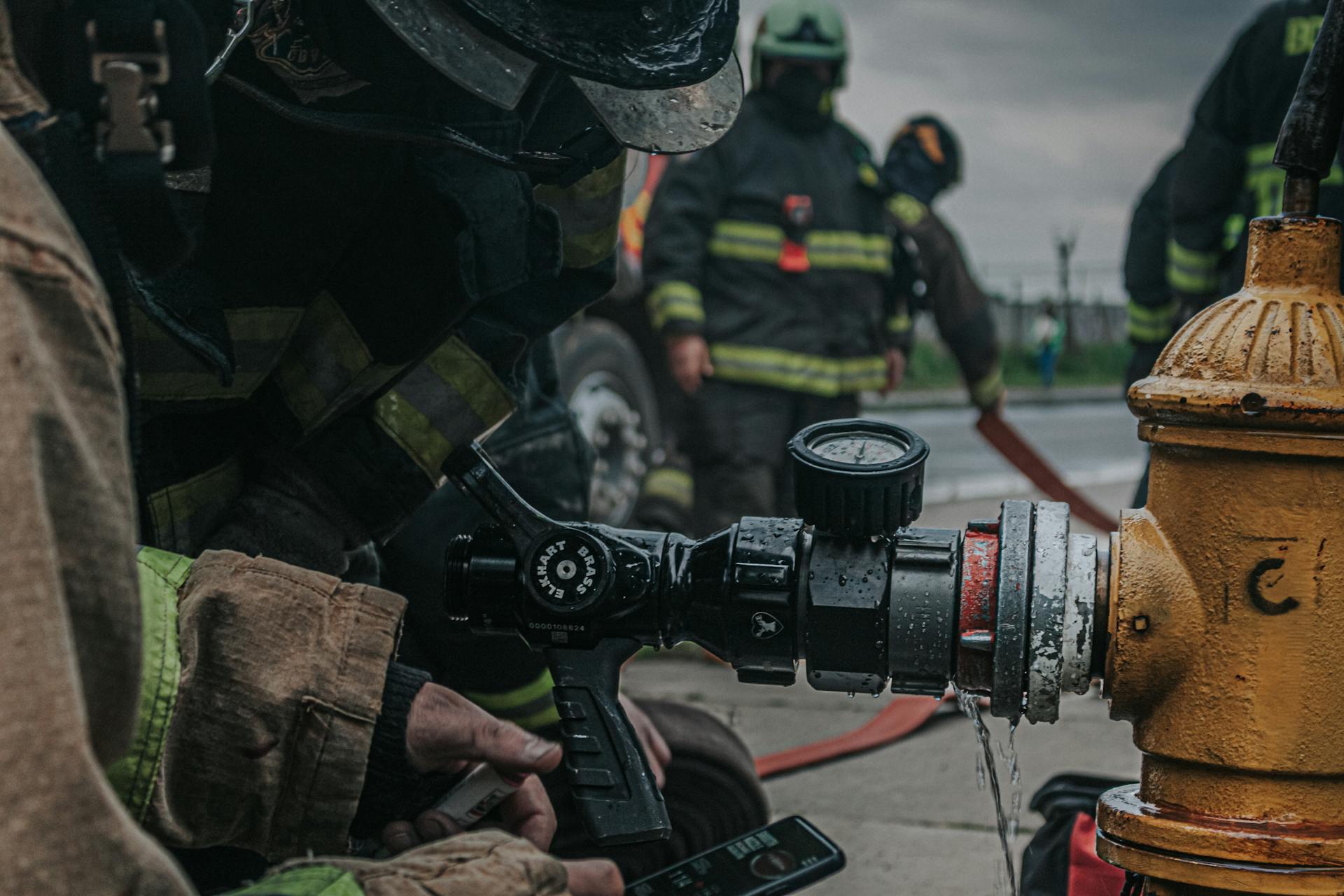
Emergency Construction Site Fire Watch
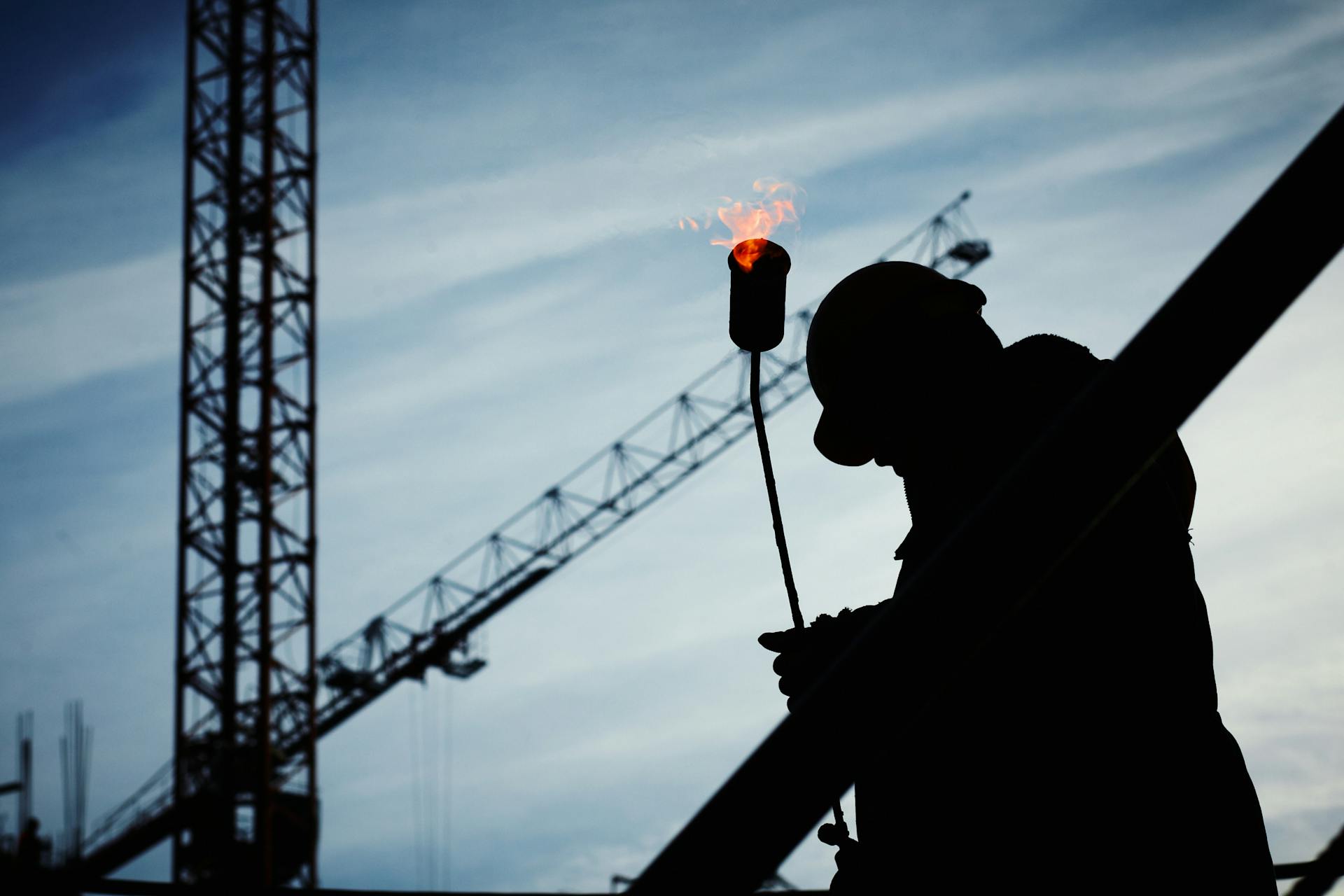
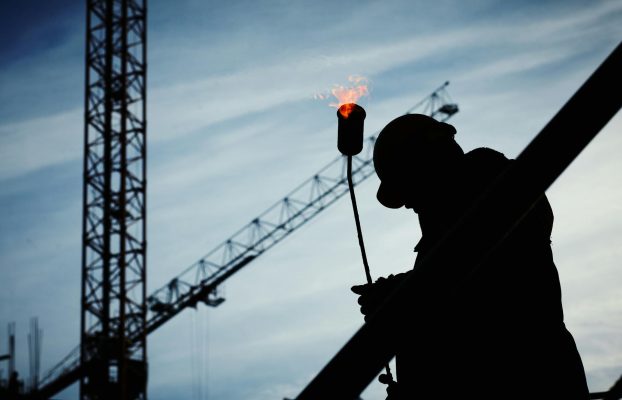
Structural steel assembly creates constant ignition sources. While ironworkers tack weld splice plates, our fire watch guard stations himself at the joint before the beam leaves the hoist. He inspects the landing area for sawdust, cardboard, and plastic sleeves, then wets adjacent wood forms with a pressurized extinguisher.
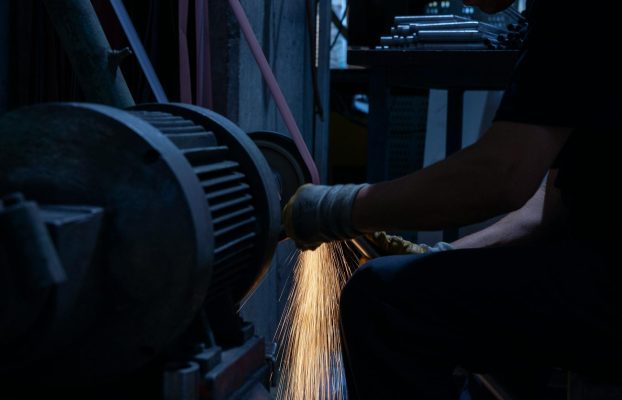
During grinding and welding, he watches slag trajectory and stops work when wind exceeds twenty five miles per hour. Each ignition source is logged with time and GPS coordinates to satisfy OSHA inspectors. After the final weld, the guard remains for thirty minutes and uses an infrared thermometer to confirm that no hidden cavities are smoldering. This systematic coverage eliminates overnight fires that have destroyed entire decks and idled cranes for weeks.
24 Hour Fire Watch Security Services
Get Lawsuit-Proof Fire Watch GuardsIsolating a standpipe above seventy five feet removes the fire department single ladder water supply and triggers an immediate fire watch requirement on every affected floor. Our guard arrives with a flow meter to verify zone boundaries and radios the pump room before each valve closure. He carries a one hour rated extinguisher, spare hose rack, and a direct channel to the fire command center.
During welding on new riser joints, he controls combustible packing material and keeps salvage tarps wet. If static pressure drops below one hundred psi, he halts all hot work, notifies the fire department, and remains on post until the pump is restored and tested. This disciplined sequence prevents multi story water damage and costly citation records that delay certificate of occupancy release.
24 Hour Fire Guard Services
Emergency DeploymentMechanical platforms contain fiberglass insulation, cardboard dampers, and plastic sleeves that can ignite when welders burn rail supports. Our guard pre-screens the deck, removes loose combustibles, and shields remaining material with welding blankets. He verifies that the contractor two A extinguisher is fully charged and inspects the brazing torch for proper back flow prevention.
When refrigerant lines are heated, he monitors adjacent insulation for scorch marks and stations a non water extinguisher near electrical panels. After the final weld cools, he performs a twenty minute thermal scan of surrounding lagging and checks the ceiling below for hidden embers. This finish phase vigilance has prevented smoldering events that would have shut down HVAC startup and delayed beneficial occupancy.
Fire Watch Security Services
Request a Free Quote Now99%
Available 24/7
Contact us anytime
100%
Fire Marshall Compliant
100% certified guards
99%
Fully Equipped
Hire the best
98%
Skilled & Experienced
12+ years experience
24 Hour Fire Watch Guard Services
Call or message us now to get startedFire watch is required the moment you perform any hot work; welding, cutting, grinding or when fire protection systems are impaired beyond four hours. OSHA 1926.352 and NFPA 241 mandate a trained, dedicated guard within 35 ft of the operation with a charged extinguisher. Impairments to standpipe, sprinkler, or alarm systems also trigger continuous patrol on every affected floor until systems are restored and tested.
The guard must conduct a final inspection and stay on site a minimum of 30 minutes after hot work ends, then perform a second check 30 minutes later. If concealed spaces, insulation, or combustible debris are present, the interval extends to 1 hour. These times are documented with GPS timestamps and thermal readings to satisfy inspector and insurer requirements.
Guards must hold current 30-hour OSHA construction card, NFPA 241 site fire watch training, and first aid/CPR. In New York City, F-01 Certificate of Fitness is mandatory for standpipe impairments above 75 ft. Our personnel also complete 10-hour hot-work safety and scaffold user courses so they can move safely with iron crews and understand ignition pathways unique to steel erection.
Only if the operations are within 35 ft of each other and in the guard’s continuous line of sight. Separate floors, opposite ends of a wing, or simultaneous welding inside and outside require individual guards. We map the site in advance and assign personnel to prevent blind spots, ensuring each ignition source remains under direct observation and within immediate extinguisher range.
Liability depends on documentation. Our guards provide bound logs showing final temperature readings, photographs of the work area, and supervisor sign-off confirming no smoldering material. This evidence has protected clients from seven figure subrogation claims. Without proper close out records, contractors can be held responsible for latent fires discovered hours later, which is why verifiable 30 and 60 minute post-work checks are critical.


"Without a question, the best fire guards we've hired. Having worked with them on more than one occasion now, I have first-hand experience of the quality of customer support and dedication they have."

Chris Fuller

"Highly grateful that this is the fire watch company that I initially called because they genuinely care about your protection and correctly follow their protocols. Great work! Thank you."
Robert L. Johnson

"Nothing but outstanding customer service. Good coordination and formidable fire guards who completely understand how to conduct their services effectively. Excellent work."