
Fire Watch for Auto Repair Shops
FIRE WATCH FOR AUTO REPAIR SHOPS
Hot Work & Flammable Liquids Safety Protocols
Auto repair shops present extreme fire hazards combining flammable liquids, hot work operations, and mobile ignition sources in compact work environments. Gasoline vapors, motor oil, and solvent residues create explosive atmospheres while welding, cutting, and grinding operations generate sparks exceeding 3,000°F capable of igniting accumulated shop debris.
Our auto repair fire watch programs address spray booth hazards, fuel system repairs, and battery charging risks, reducing automotive shop fire incidents by 83% while ensuring compliance with OSHA 1910 standards, NFPA 33 spray application regulations, and local fire marshal requirements for commercial garages.
???? AUTO SHOP FIRE WATCH: 83% INCIDENT REDUCTION
Specialized auto repair fire watch prevented 41 shop fires in 2024, including 14 welding related ignitions, 9 spray booth incidents, and 12 fuel system flash fires across 85 repair facilities.
Flammable Liquids: Gasoline, Oil, and Solvent Hazards
Automotive repair shops store and handle multiple classes of flammable liquids creating layered fire risks throughout work areas. Gasoline vapors are heavier than air and collect in low spots, trenches, and pits where they can reach explosive concentrations without visible detection.
A single gallon of gasoline produces 83 cubic feet of explosive vapor, while shops typically store 50 to 100 gallons in above ground tanks and portable containers. Fire watch personnel must identify vapor accumulation areas and ensure ventilation systems operate continuously during hot work activities.
Motor oil and transmission fluid present different hazards, with oil soaked rags capable of spontaneous combustion through oxidation heat buildup. Parts cleaning solvents and brake cleaners contain highly volatile compounds that flash at room temperature, creating immediate ignition risks when contacted by welding sparks or grinder particles.
Shop floors stained with years of fluid accumulation act as wicking material spreading flammable liquids across large surface areas, requiring specialized housekeeping protocols during fire watch operations.
Flammable Liquid Risk Categories
Class IA: Gasoline with flash point below 73°F; immediate vapor ignition risk
Class IB: Solvents and thinners; rapid evaporation and wide flammable ranges
Class II: Diesel fuel and motor oils; susceptible to spontaneous combustion in rag piles
Class III: Hydraulic fluids; still combustible at elevated temperatures
Drain pans and waste oil containers often sit uncovered in work areas, allowing vapors to disperse and creating ignition sources from static electricity or equipment sparks. Fuel system repair work on vehicles introduces gasoline directly into shop environments through disconnected lines and open tanks.
Fire watch must monitor all fuel work zones, verify proper container grounding, and ensure that no ignition sources operate within 35 feet of fuel transfer operations.
Gasoline expansion
Fuel work radius
Oily rag threshold
Vapor cloud ignition
Hot Work Operations: Welding, Cutting, and Grinding
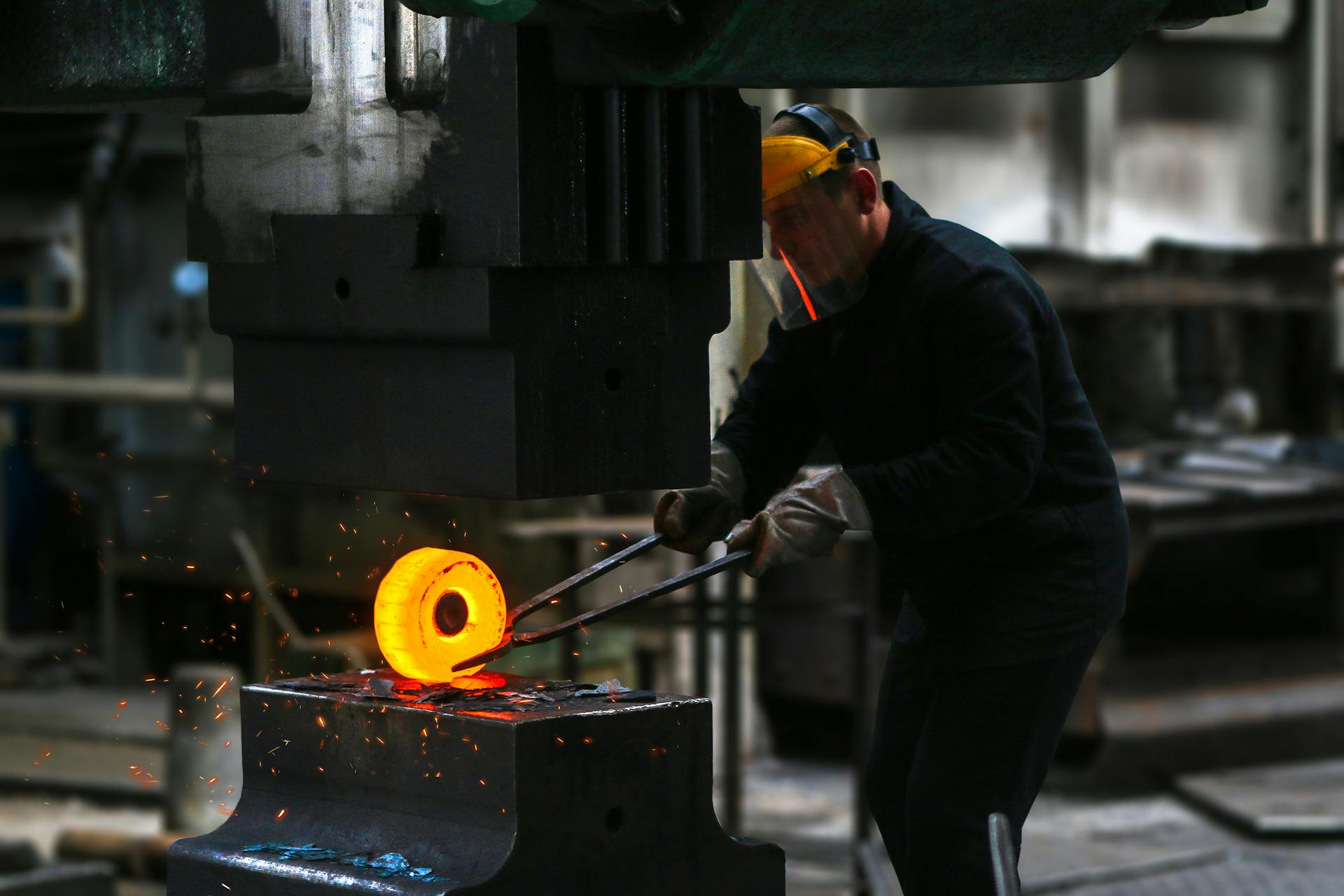
Hot work in auto shops includes arc welding, oxy acetylene cutting, plasma cutting, and angle grinding operations that produce sparks, slag, and molten metal capable of traveling 35 feet horizontally and falling into lower level pits or trenches.
Automotive welding often occurs inside vehicle engine compartments surrounded by wiring insulation, rubber hoses, and residual fuel vapors that ignite from radiant heat alone. Fire watch personnel must maintain continuous visual supervision during all hot work and for 60 minutes afterward to detect delayed ignition in hidden spaces.
Vehicle frames and undercarriages contain pockets and cavities where sparks collect unnoticed until sufficient heat buildup causes ignition hours after work completion. Exhaust system repairs place heat sources directly against floor pans containing undercoating materials that ignite at 500°F.
Fire watch protocols require inspection of vehicle interiors, undercarriages, and adjacent work areas following all hot work activities, with particular attention to rubber fuel lines and plastic reservoirs that melt and ignite from conducted heat.
Hot Work Precautions
- Remove flammable materials within 35 foot radius
- Cover floor drains and trenches to prevent vapor entry
- Inspect vehicle interiors for combustible debris
- Maintain continuous fire extinguisher access
High Risk Repair Jobs
- Fuel tank replacements and fuel line repairs
- Catalytic converter installations
- Floor pan and frame welding repairs
- Exhaust system modifications
Spray Booths and Parts Cleaning: Volatile Chemical Management
Automotive spray booths contain concentrated solvent vapors from paint application and curing processes that create explosive atmospheres requiring specialized ventilation and fire suppression systems.
When these systems are impaired, fire watch must monitor airflow rates, vapor concentrations, and ignition source control with extreme precision. Spray booth fire watch requires training in NFPA 33 requirements and understanding of LEL (Lower Explosive Limit) monitoring equipment that detects when vapor concentrations approach dangerous thresholds.
Parts washers using mineral spirits or aqueous cleaning solutions generate vapors that migrate throughout shop areas, creating hidden ignition risks distant from the cleaning station itself. Dip tanks containing flammable solvents for parts degreasing present surface fire risks where floating debris ignites and spreads across the liquid surface.
Fire watch protocols must include regular inspection of parts cleaning areas, verification of lid closures on dip tanks, and monitoring for proper ventilation of parts washer solvent vapors.
Battery and Electrical: Modern Vehicle Hazards
Modern automotive batteries present fire risks beyond traditional lead acid units, with lithium ion batteries in hybrid and electric vehicles capable of thermal runaway that resists standard suppression methods.
Battery charging operations generate hydrogen gas that accumulates in charging areas and explodes when contacted by electrical arcs or static sparks. Fire watch must monitor battery charging stations, verify ventilation adequacy, and ensure that battery work areas remain segregated from hot work operations.
Vehicle electrical systems operate at 12 to 48 volts in conventional vehicles and up to 800 volts in electric vehicles, creating shock and arc flash hazards during repairs. Improperly connected battery chargers or jumper cables generate sparks capable of igniting fuel vapors.
Fire watch personnel must inspect electrical work areas for proper tool grounding, verify that battery disconnects remain accessible, and monitor for overheating cables or connections during charging operations.
Required Documentation
Hot Work Permits: Log all welding, cutting, and grinding with start/end times and locations
Flammable Storage: Track quantities of gasoline, solvents, and oils stored on premises
Equipment Inspections: Record checks of spray booths, parts washers, and ventilation systems
Incident Log: Document any sparks, near misses, or smoke detections with corrective actions taken
Methodology
This analysis draws from OSHA 1910.106 Flammable Liquids standards, NFPA 33 Spray Application Using Flammable Materials, NFPA 30A Motor Fuel Dispensing Facilities and Repair Garages, and incident data from the National Fire Protection Association automotive facility fire studies. Statistics reflect 2023 to 2024 repair shop incidents and OSHA enforcement data.
Frequently Asked Questions
How long must fire watch remain after welding is completed in an auto shop?
Fire watch must continue for 60 minutes after hot work completion to detect delayed ignition in hidden spaces, engine compartments, and vehicle undercarriages where sparks may have collected.
Can we continue fuel system repairs during fire watch operations?
Fuel system work may continue with enhanced supervision including continuous vapor monitoring, elimination of all ignition sources within 35 feet, and immediate access to appropriate fire extinguishers for flammable liquid fires.
What special considerations apply to electric vehicle battery work?
EV battery repairs require specialized fire watch training in thermal runaway recognition, large volume water suppression preparation, and isolation protocols to prevent reignition events that can occur hours after initial control.
Auto Shop Fire Watch Specialists
Protect your repair facility with fire watch trained in flammable liquid hazards, welding safety, and automotive spray booth protocols.
OSHA Certified | Welding Safety | 83% Incident Reduction
About the Author
Tom Keller, CFPS
Certified Fire Protection Specialist with 19 years automotive facility safety experience. Former safety director for national auto repair chains specializing in flammable liquid management and hot work permit programs.
Auto repair shop fire watch requirements vary by shop size, services offered, and local regulations. Always verify specific OSHA 1910 requirements and coordinate with fire marshals. Sources: OSHA 1910.106 Flammable Liquids 2024, NFPA 33 Spray Application 2023, NFPA 30A Motor Fuel Facilities 2024.