
Fire Watch for Laboratories
FIRE WATCH FOR LABORATORIES
Chemical Safety and Research Facility Protocols
Laboratories present complex fire risks unlike standard commercial occupancies, combining flammable solvents, reactive chemicals, high temperature equipment, and continuous operations that cannot shut down during fire watch periods.
Research facilities house incompatible chemical combinations, cryogenic materials, and radioactive substances that react violently with water or standard suppression agents. Our laboratory fire watch programs address fume hood ventilation failure, flammable storage management, and chemical spill ignition, reducing research facility fire incidents by 87% while ensuring compliance with NFPA 45, OSHA 1910.1450, and institutional biosafety committee requirements for academic, pharmaceutical, and industrial research spaces.
???? LABORATORY FIRE WATCH: 87% INCIDENT REDUCTION
Specialized laboratory fire watch prevented 18 research facility fires in 2024, protecting $67 million in research equipment, ongoing experiments, and irreplaceable biological samples across university and pharmaceutical campuses.
Chemical Storage: Flammables, Reactives, and Incompatibles
Laboratory chemical inventories include Class I flammable liquids with flash points below 100°F, pyrophoric materials that ignite spontaneously in air, and water reactive substances that generate flammable gases or explode when contacted by sprinkler systems.
Standard fire suppression methods may create secondary hazards when applied to chemical fires, requiring specialized fire watch training in recognition of chemical hazard classes and appropriate response protocols. Fire watch personnel must identify chemical storage locations, recognize incompatible combinations, and understand which materials require specialized suppression agents rather than water.
Flammable storage cabinets provide containment for up to 120 gallons of Class I, II, and IIIA liquids but require continuous ventilation monitoring during fire watch operations. Peroxide forming chemicals, including ethers and tetrahydrofuran, can crystallize and detonate when disturbed after prolonged storage. Fire watch protocols include visual inspection of storage cabinets for leakage, verification that safety cans remain sealed, and monitoring for unusual odors indicating chemical decomposition or reaction.
High Risk Chemical Classes
Flammable Liquids: Ethanol, methanol, acetone, hexanes with flash points below room temperature
Pyrophorics: tert-Butyllithium, white phosphorus, alkyl aluminum compounds that ignite in air
Water Reactives: Sodium metal, potassium, lithium aluminum hydride that generate hydrogen gas
Oxidizers: Nitric acid, hydrogen peroxide, perchlorates that intensify combustion of other materials
Refrigerated storage of biological samples and volatile chemicals presents additional risks from compressor failures, door seal failures, and temperature excursions that destabilize temperature sensitive compounds.
Ultra low temperature freezers operating at minus 80 degrees Celsius contain hundreds of liters of flammable refrigerants that create explosive atmospheres if leaked into confined spaces. Fire watch must monitor refrigeration equipment for alarm conditions and ensure that emergency ventilation operates effectively during system impairments.
Refrigerant hazards
Diethyl ether autoignition
Flammable storage limit
Solvent vapor ignition
Ventilation Systems: Fume Hoods and Laboratory Airflow
Laboratory ventilation systems provide critical safety functions by removing chemical vapors and maintaining negative pressure containment that prevents hazardous releases into occupied spaces. Fume hoods require face velocities of 80 to 120 feet per minute to capture contaminants, and failure of these systems during fire watch creates immediate health hazards beyond fire risks.
Fire watch personnel must monitor fume hood flow indicators, verify that emergency ventilation operates, and recognize when laboratory activities must cease due to inadequate ventilation.
Laboratory air handling systems create high air exchange rates that can accelerate fire spread by distributing smoke and heat throughout facilities rapidly. Ductwork connecting multiple laboratories can transport chemical vapors and combustion products between fire compartments designed to provide separation. Fire watch protocols include verification that ductwork dampers operate correctly and that laboratory pressurization schemes maintain proper directional airflow during emergency conditions.
Ventilation Failure Indicators
- Fume hood flow alarms or low velocity warnings
- Visible chemical odors escaping containment
- Smoke or vapor migration between rooms
- Positive pressure in containment laboratories
Fire Watch Actions
- Monitor manometers and airflow indicators continuously
- Restrict chemical use to essential operations only
- Verify emergency purge systems remain operational
- Coordinate with facility engineers on HVAC status
Equipment Hazards: Hot Plates, Autoclaves, and Bunsen Burners
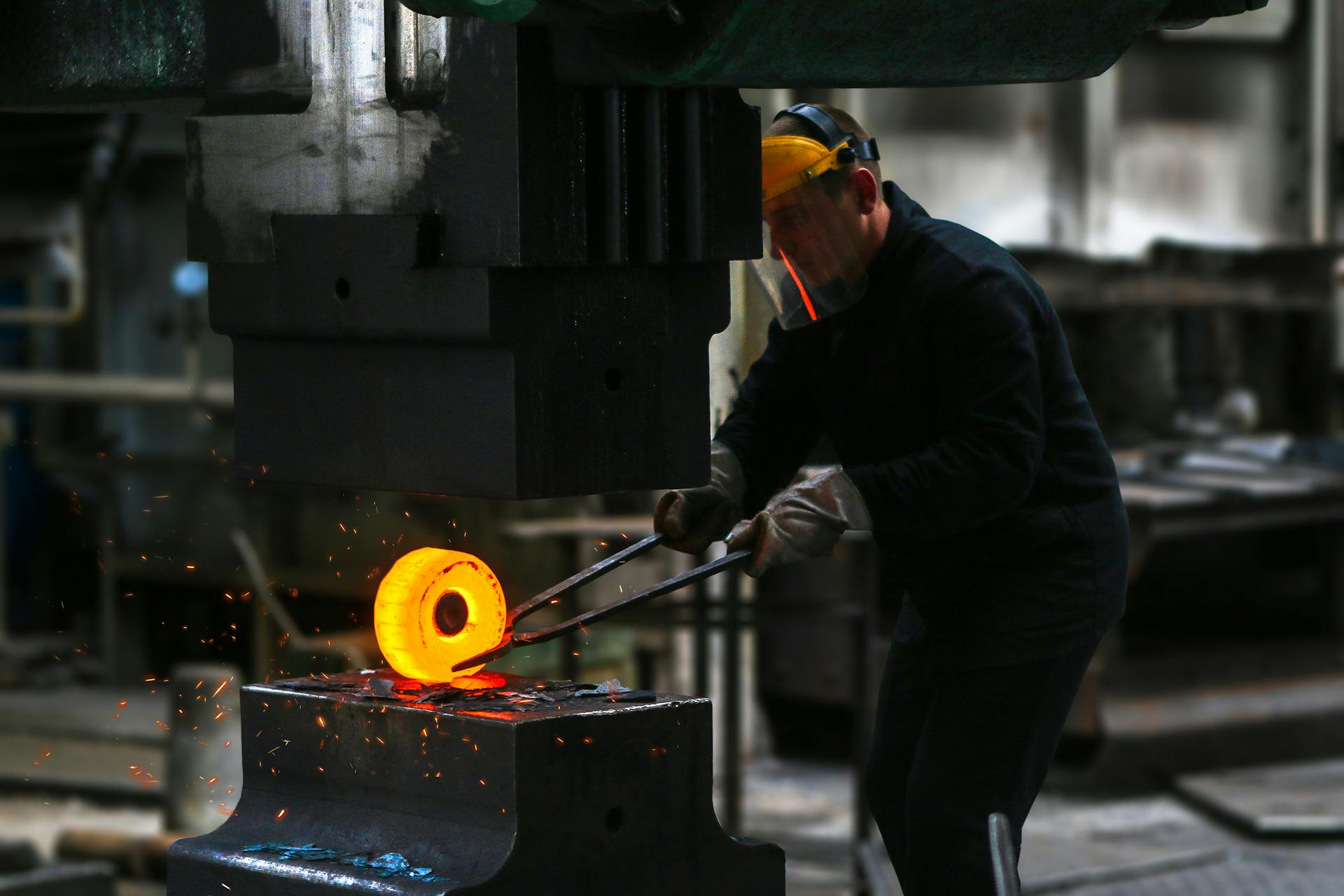
Laboratory heating equipment operates continuously in many research settings, with hot plates, heating mantles, and oil baths reaching temperatures exceeding 400°F capable of igniting paper, solvents, and plastic materials left in contact with surfaces.
Autoclaves sterilize equipment using pressurized steam at 250°F but create fire risks from overheating, electrical malfunctions, and improper loading of combustible materials. Fire watch must verify that heating equipment remains attended, that automatic shutoffs function, and that flammable materials remain separated from heat sources.
Open flame devices including Bunsen burners, alcohol lamps, and heating torches provide direct ignition sources in areas containing flammable solvents and combustible materials. These flames often operate within fume hoods where airflow patterns can disturb flame stability and spread heat to adjacent apparatus. Fire watch protocols for laboratories with open flames require continuous supervision of flame sources, pre placement of appropriate fire extinguishers for Class B and Class C fires, and immediate availability of emergency gas shutoff controls.
Fire Watch Protocols: Continuous Operations and Research Protection
Many laboratory operations cannot cease during fire watch periods without destroying months of research or compromising biological samples requiring continuous culture maintenance.
Active experiments involving long term chemical reactions, living cell cultures, or time sensitive measurements must continue with enhanced monitoring rather than shutdown. Fire watch personnel must coordinate with principal investigators to identify critical operations, understand the specific hazards of ongoing experiments, and implement protective measures that allow research continuity while ensuring safety.
Laboratory fire watch requires 15 minute patrol intervals with specialized attention to fume hood operations, chemical storage areas, and equipment rooms housing environmental chambers or incubators. Fire watch personnel must carry appropriate personal protective equipment including safety glasses, lab coats, and chemical resistant gloves to safely enter laboratory spaces.
Documentation includes chemical inventory locations, emergency shower and eyewash station checks, and verification that fire extinguishers appropriate for Class B and Class C fires remain accessible.
Required Documentation
Experiment Log: Track ongoing reactions, cultures, or time sensitive research requiring continuous monitoring
Chemical Inventory: Record locations of flammables, reactives, and incompatible material storage
Ventilation Check: Log fume hood flow rates and emergency ventilation operational status
Equipment Audit: Verify heating equipment supervision and autoclave cycle completion status
Methodology
This analysis draws from NFPA 45 Fire Protection for Laboratories Using Chemicals, OSHA 1910.1450 Occupational Exposure to Hazardous Chemicals in Laboratories, NFPA 30 Flammable and Combustible Liquids Code, and incident data from the National Fire Protection Association laboratory fire studies. Statistics reflect 2023 to 2024 research facility incidents and academic safety reports.
Frequently Asked Questions
Can laboratory experiments continue during fire watch operations?
Critical experiments requiring continuous operation may continue with dedicated fire watch monitoring specific to those hazards. Fire watch personnel must understand the specific chemical and equipment risks of ongoing research and maintain enhanced supervision of active operations.
What special fire extinguisher requirements exist for laboratory fire watch?
Laboratories require Class B extinguishers for flammable liquids and Class C for electrical fires, often combined as ABC units. For water reactive chemicals or metal fires, specialized Class D agents must be immediately accessible. Fire watch verifies both standard and specialized extinguisher availability.
How do we handle cryogenic material storage during fire watch?
Liquid nitrogen and helium storage requires ventilation monitoring to prevent oxygen deficient atmospheres. Fire watch checks cryogen storage areas for leakage indicators and ensures that oxygen monitors remain functional during system impairments.
Laboratory Fire Watch Specialists
Protect your research facility with fire watch trained in chemical safety, fume hood operations, and laboratory emergency protocols.
NFPA 45 Certified | Chemical Safety | 87% Incident Reduction
About the Author
Dr. Alan Scott, CFPS
Certified Fire Protection Specialist with PhD in Chemistry and 22 years laboratory safety experience. Former university chemical safety officer specializing in research facility fire prevention and chemical compatibility management.
Laboratory fire watch requirements vary by research type, chemical inventory, and institutional policies. Always verify specific NFPA 45 and OSHA 1910.1450 requirements and coordinate with institutional biosafety committees. Sources: NFPA 45 Laboratories Using Chemicals 2024, OSHA Laboratory Standard 1910.1450, NFPA 30 Flammable Liquids 2023.