
Fire Safety Security for Tall Buildings
HIGH-RISE FIRE WATCH SERVICES
Specialized Fire Safety Protocols for Tall Building Construction and Renovation
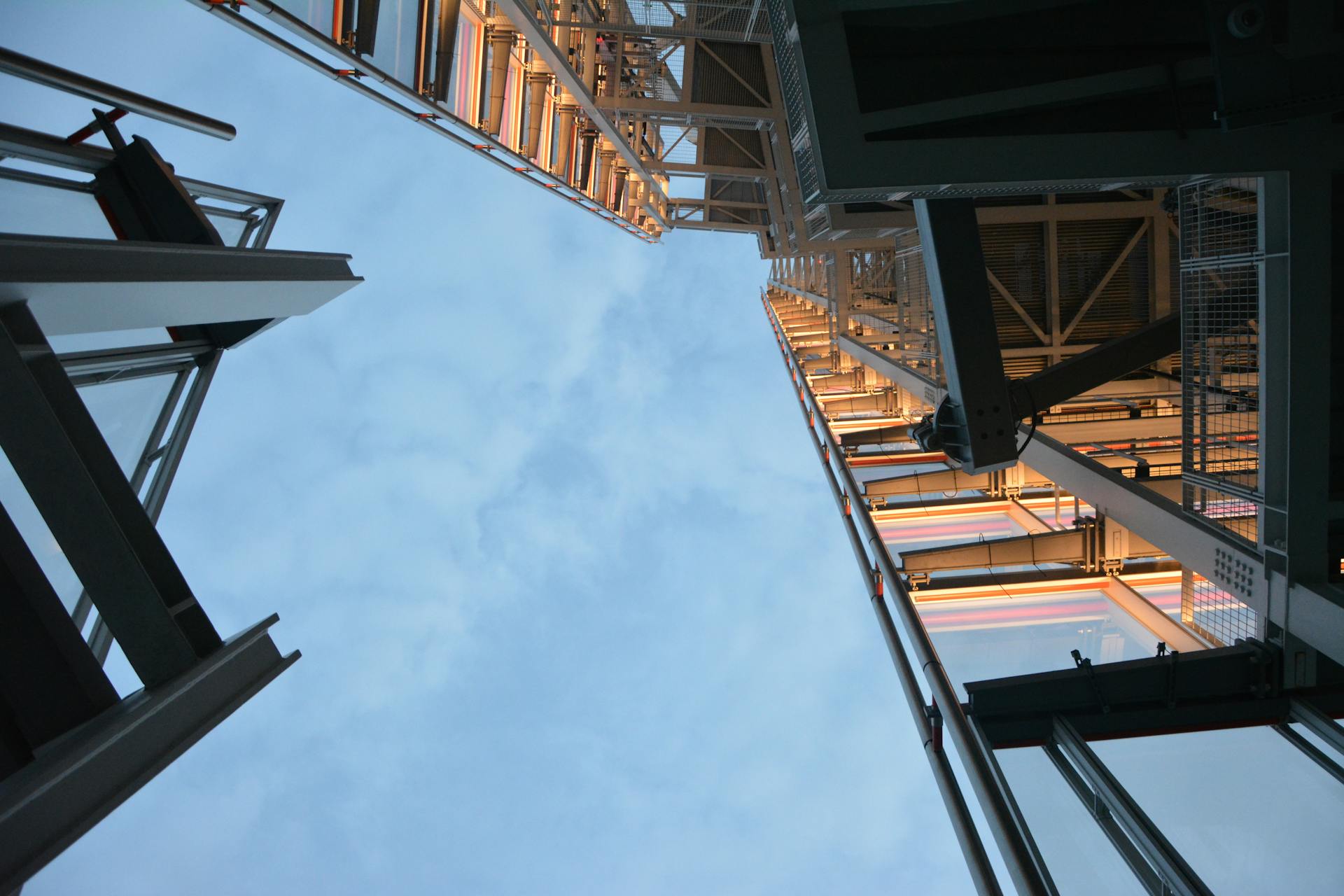
High-rise buildings present unique fire safety challenges including vertical fire spread through unfinished shafts, wind-driven fire development, and evacuation complexity that exceeds standard fire watch capabilities. Tall building fire watch requires specialized protocols addressing stack effect, standpipe system coordination, and multi-floor monitoring during construction and renovation activities. Our high-rise fire watch programs reduce vertical fire incidents by 81% while ensuring compliance with NFPA 14 and high-rise building codes for projects up to 75 stories.
???? HIGH-RISE FIRE WATCH: 81% VERTICAL INCIDENT REDUCTION
Specialized high-rise fire watch prevented 19 vertical fire spread incidents during 2024 construction projects, protecting $67 million in building value and preventing potential life safety disasters.
High-rise buildings create unique fire dynamics through stack effect, wind pressure differentials, and vertical shaft systems that can rapidly spread fires between floors during construction. Unfinished stairwells, elevator shafts, and utility chases provide open pathways for fire and smoke movement that bypass traditional floor-to-floor fire barriers. Fire watch personnel require specialized training in vertical fire behavior and high-rise emergency procedures to effectively monitor these complex building systems.
The physics of high-rise fire development involves understanding pressure differentials created by temperature variations between building interior and exterior environments. Stack effect can generate wind speeds exceeding 30 mph within vertical shafts, creating forced convection that spreads fires and smoke throughout the building. Construction activities that compromise shaft enclosures or create additional vertical openings amplify these effects and require specialized fire watch protocols.
Evacuation complexity in high-rise buildings under construction presents unique challenges including incomplete exit systems, temporary stairways, and limited access for fire department operations. Fire watch personnel must understand multiple evacuation scenarios and coordinate with emergency services to ensure safe occupant removal during fire emergencies. Construction phase evacuation procedures differ significantly from completed building protocols and require specialized training and coordination.
Vertical Fire Spread: Understanding Stack Effect and Shaft Hazards
Stack effect creates powerful vertical air movement in high-rise buildings due to temperature differences between interior and exterior environments. During winter conditions, warm interior air rises through vertical shafts creating upward airflow that can spread fires and smoke throughout the building. Construction activities that leave shafts incomplete or create additional vertical openings amplify stack effect and require specialized fire watch monitoring to detect vertical fire spread before it becomes uncontrollable.
Stack Effect Fire Hazards
Winter Stack: Upward airflow 15-30 mph spreads fires upward through shafts
Summer Reverse: Downward airflow can spread fires to lower floors
Neutral Plane: Pressure balance level where fire can spread horizontally
Shaft Openings: Unprotected penetrations amplify vertical fire movement
Vertical shaft systems including stairwells, elevator shafts, and utility chases provide natural pathways for fire and smoke movement between floors during construction. Before installation of fire-rated doors and shaft enclosures, these vertical openings create continuous pathways that allow fires to spread rapidly throughout the building. Fire watch personnel must monitor multiple floor levels simultaneously to detect vertical fire spread before it reaches upper floors.
Pressure differential monitoring helps identify conditions conducive to vertical fire spread through measurement of air movement within shafts and stairwells. Fire watch personnel use smoke tubes and anemometers to detect air currents that could spread fires and smoke between floors. Pressure differentials exceeding 0.10 inches of water indicate significant stack effect that requires enhanced monitoring and potential evacuation procedures.
Shaft protection requirements during construction include temporary enclosures, fire watch patrol routes, and emergency communication systems that provide early warning of vertical fire development. Construction phase shaft protection differs from permanent fire protection systems and requires specialized knowledge of temporary barriers and protection methods. Fire watch personnel must understand both permanent and temporary shaft protection systems to ensure adequate coverage during all construction phases.
Standpipe System Coordination: Water Supply for Fire Operations
High-rise construction requires coordinated standpipe system installation that provides fire department water access during construction activities. Temporary and permanent standpipe systems must be operational before construction reaches heights that exceed ground-based fire department access. Fire watch personnel must understand standpipe system capabilities and limitations while coordinating with fire department operations for buildings under construction.
Standpipe requirement
Fire department demand
Maximum distance
High-rise requirements
Temporary standpipe systems provide fire department water access during early construction phases before permanent systems are installed. These temporary systems must meet NFPA 14 requirements for pressure, flow rate, and accessibility while being protected from construction damage and weather exposure. Fire watch personnel monitor temporary standpipe condition and coordinate with fire departments to ensure system availability during emergencies.
Water supply coordination for high-rise construction must account for increasing demand as building height progresses and fire department access becomes more challenging. Standpipe systems must be operational before construction exceeds the reach of ground-based fire department equipment, typically at the fifth floor or 50-foot height. Fire watch protocols include verification of standpipe system pressure, flow testing, and accessibility for fire department connections.
Standpipe System Checklist
Pressure Verification: Minimum 75 psi at highest outlet with 500 gpm flow
Accessibility: Clear access to fire department connections and outlets
Protection: Temporary standpipe protection from construction damage
Testing: Regular flow testing and pressure verification records
Standpipe system integration with fire department operations requires coordination of hose line deployment, water supply management, and evacuation procedures specific to high-rise buildings under construction. Fire watch personnel must understand fire department operational procedures and provide assistance with system access, building layout information, and communication support during emergency operations. This coordination ensures effective fire department response despite incomplete building systems.
Multi-Floor Monitoring: Coordinated Fire Watch Operations
High-rise fire watch requires coordinated monitoring across multiple floors simultaneously to detect vertical fire spread and coordinate emergency response activities. Traditional single-level fire watch protocols prove insufficient for high-rise buildings where fires can spread rapidly between floors through vertical shafts and openings. Multi-floor monitoring systems use advanced communication and coordination protocols to maintain continuous surveillance across all active construction levels.
Floor Monitoring
- Active work floors
- Floor below work
- Floor above work
- Adjacent shaft areas
Coordination Elements
- Communication systems
- Personnel deployment
- Emergency procedures
- Documentation protocols
Communication systems for multi-floor fire watch operations must provide reliable contact between personnel on different floors and with emergency services. High-rise buildings under construction may have limited or no permanent communication systems, requiring portable radio networks and backup communication methods. Fire watch personnel must maintain continuous contact to coordinate emergency response and evacuation procedures across multiple building levels.
Personnel allocation across multiple floors requires strategic deployment that provides adequate coverage for all active areas while maintaining cost-effective operations. Risk assessment techniques identify high-hazard floors requiring continuous monitoring while lower-risk areas receive periodic inspection coverage. Advanced scheduling systems optimize personnel deployment based on construction activity schedules and hazard assessment criteria.
High-Rise Fire Watch Specialists
Protect your tall building project with fire watch trained in stack effect, vertical fire spread, and multi-floor coordination.
Stack Effect Certified | Multi-Floor Coordination | 81% Vertical Incident Reduction
About the Author
Dr. Lisa Rodriguez, PE
Professional Engineer with PhD in Fire Protection Engineering and 18+ years high-rise fire safety experience. Former NFPA committee member specializing in tall building fire protection and smoke management systems.
High-rise fire watch requirements vary by building height and local codes. Always verify specific requirements and coordinate with fire department high-rise units. Sources: NFPA 14 Standard 2024, NFPA High-Rise Building Safety Guide 2023, High-Rise Fire Investigation Reports 2024.