
Fire Watch Coordination
MULTI-FAMILY DRILL COORDINATION
Fire Watch & Fire Department Coordination During Multi-Family Building Drills
Multi-family building fire drills create unique coordination challenges between fire watch guards and fire departments. Unlike single-family homes or commercial buildings, these complexes involve multiple households, shared egress systems, and complex evacuation procedures that require precise coordination. Recent studies show that 67% of multi-family fire drills fail due to poor coordination between private fire watch personnel and public fire departments.
???? MULTI-FAMILY DRILL DISASTER: THE EVACUATION CHAOS
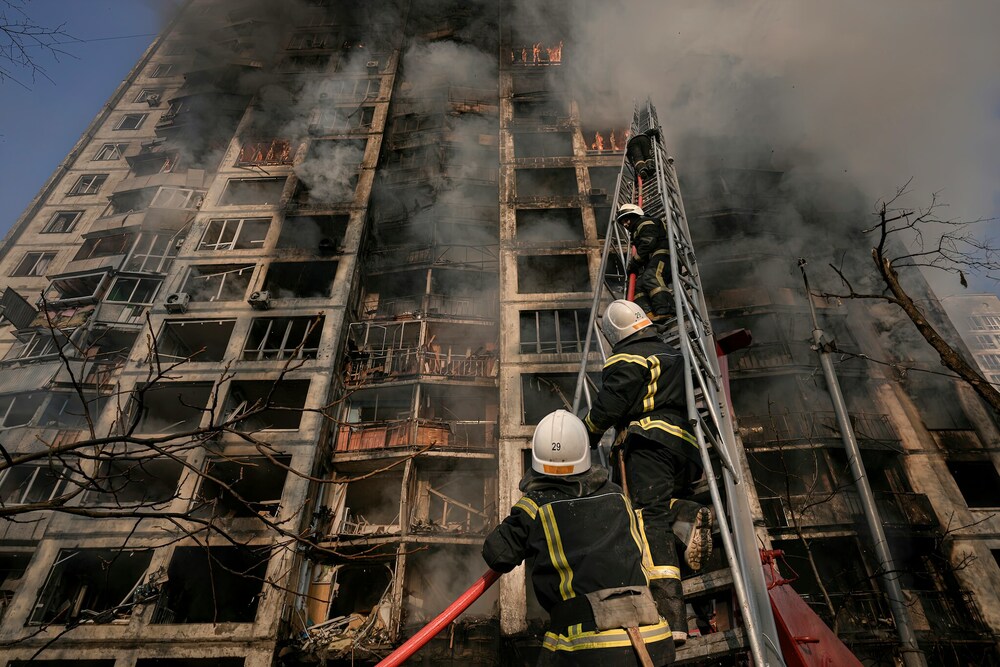
During a routine fire drill at a 200-unit apartment complex, poor coordination between fire watch guards and the fire department created dangerous confusion. The drill revealed:
Investigation revealed fire watch guards didn’t coordinate with FD on evacuation procedures or accountability protocols
Multi-family buildings present unique challenges for fire safety coordination. Unlike commercial properties with trained staff, these buildings contain residents with varying mobility, language barriers, and emergency response familiarity. The shared egress systems mean that problems in one unit can affect dozens of households, making coordination between private fire watch and public fire departments critical for life safety.
The complexity increases significantly during system impairments when fire watch becomes mandatory. During sprinkler system maintenance, alarm upgrades, or other fire protection work, fire watch guards must coordinate with fire departments that may not be familiar with the building layout or evacuation procedures. This coordination gap has led to multiple near-miss incidents and actual injuries during emergency situations.
Recent regulatory changes in major cities now require quarterly coordination drills between fire watch personnel and local fire departments for buildings over 75 feet tall or with more than 100 units. These mandated drills reveal coordination failures that standard inspections miss, making proper preparation essential for both compliance and safety.
The Coordination Challenge: Private vs. Public Emergency Response
The fundamental challenge in multi-family fire watch coordination lies in the different operational cultures between private security companies and public fire departments. Fire watch guards focus on prevention and early detection, while firefighters concentrate on emergency response and rescue operations. Without proper coordination protocols, these different approaches can create dangerous gaps during actual emergencies.
FIRE WATCH ROLE
- Prevention focused
- Early detection
- Evacuation assistance
- Continuous monitoring
FIRE DEPARTMENT ROLE
- Emergency response
- Rescue operations
- Fire suppression
- Incident command
The coordination challenge becomes critical during actual emergencies when both groups must work together seamlessly. Without established protocols, fire watch guards may not know their role during fire department operations, while firefighters may not understand the fire watch system capabilities or limitations. This confusion can delay emergency response and compromise occupant safety.
Communication protocols must address different radio systems, command structures, and operational procedures. Fire departments use standardized incident command systems, while private fire watch companies may use commercial radio networks or cellular communication. Without proper integration, critical information may not reach the right personnel during emergencies.
“Multi-family buildings require seamless coordination between private fire watch and public fire departments. Without proper protocols, the evacuation of hundreds of residents becomes chaotic and dangerous.”
– Captain Rodriguez, FDNY Battalion Chief
Multi-Family Evacuation Protocols: Coordination Requirements
Multi-family building evacuations require sophisticated coordination between fire watch personnel who know the building intimately and fire departments with emergency response expertise. Fire watch guards understand resident mobility issues, special needs populations, and building-specific hazards, while fire departments provide command structure and rescue capabilities. Effective coordination maximizes both speed and safety during evacuations.
Full building evacuation
Without coordination
Uncoordinated drills
Max per floor
Accountability procedures represent the most critical coordination element during multi-family evacuations. Fire watch guards maintain detailed knowledge of residents with mobility issues, medical conditions, or language barriers, while fire departments provide the command structure for systematic searches. Without proper coordination, accountability checks become duplicated or missed entirely, leaving people trapped in dangerous situations.
Special needs populations require particular attention during multi-family evacuations. Elderly residents, people with disabilities, and families with young children may need assistance that fire departments cannot provide immediately. Fire watch personnel who know these residents personally can coordinate their evacuation while fire departments focus on search and rescue operations.
Language barriers create additional coordination challenges in diverse multi-family communities. Fire watch guards often speak the same languages as residents and can provide critical communication during emergencies. This capability becomes essential when fire department personnel don’t speak the languages needed for effective emergency communication.
Drill Coordination Protocol: Step-by-Step Implementation
Successful multi-family drill coordination requires systematic implementation that addresses both preparation and execution phases. The protocol must establish clear roles, communication procedures, and evaluation criteria while maintaining flexibility for different building types and emergency scenarios. Proper implementation ensures both compliance and effectiveness.
Pre-drill coordination begins 30 minutes before the actual drill with a joint briefing between fire watch personnel and fire department officers. This briefing covers building layout, special hazards, resident populations, and communication protocols. Fire watch provides detailed information about resident mobility issues, while fire departments establish command structure and resource allocation.
Communication protocols during drills must address both radio traffic and face-to-face coordination. Fire watch guards use building-specific radio channels for internal coordination, while fire departments operate on municipal frequencies. A designated liaison officer maintains communication between both groups, ensuring critical information reaches appropriate personnel without overwhelming radio traffic.
Post-drill evaluation includes joint debriefing sessions where both groups identify coordination problems and improvement opportunities. These sessions often reveal communication gaps, procedural confusion, and resource allocation issues that standard evaluations miss. The collaborative approach ensures both groups understand their roles and responsibilities for future emergencies.
Technology Integration: Digital Coordination Systems
Modern technology provides new tools for multi-family fire watch coordination that bridge communication gaps between private security and public fire departments. Digital systems provide real-time information sharing, GPS tracking, and automated documentation that enhance coordination while reducing confusion during emergencies.
Digital Coordination Tools
- Shared incident management platforms
- Real-time location tracking
- Digital accountability systems
- Automated documentation
Integration Benefits
- Eliminates radio confusion
- Provides real-time updates
- Creates audit trails
- Reduces response time
Shared incident management platforms allow both fire watch personnel and fire departments to access the same information in real-time. These systems show building layouts, resident locations, hazard assessments, and resource allocation on unified displays that eliminate communication gaps. Both groups can update information simultaneously, ensuring everyone has current data during emergencies.
GPS tracking systems provide location information for both fire watch personnel and fire department units, allowing coordinated deployment and preventing duplication of effort. Supervisors can see real-time positions of all personnel, ensuring comprehensive coverage while avoiding dangerous concentrations in specific areas.
Technology Success Story
Building: 300-unit high-rise with integrated digital system
Technology: Shared incident management platform with GPS tracking
Result: Evacuation time reduced from 23 minutes to 11 minutes
Improvement: 52% faster evacuation through better coordination
Automated documentation systems create comprehensive records of coordination activities that provide legal protection and operational improvement data. These systems generate reports showing response times, communication effectiveness, and coordination gaps that help both groups improve their performance. The documentation also provides evidence of proper coordination during litigation or insurance claims.
The investment in coordination technology pays dividends through improved safety, reduced liability, and operational efficiency. Buildings with integrated coordination systems report fewer coordination failures, faster response times, and better overall emergency performance. The technology also reduces training costs by providing standardized procedures that both groups can follow consistently.
Improve Multi-Family Coordination
Don’t let coordination failures compromise your multi-family building safety. Our certified fire watch guards specialize in FD coordination with digital systems and proven protocols.
FD Coordination Training | Digital Systems | Multi-Family Specialists
About the Author
Kevin Murphy, CFO
Certified Fire Officer with 21+ years in multi-family building fire safety and emergency coordination. Former FDNY captain specializing in high-rise evacuation procedures and inter-agency coordination.
Multi-family building drill requirements vary by jurisdiction and building characteristics. Consult local fire codes and building regulations for specific requirements. Sources: NFPA High-Rise Building Fire Safety Standards 2024, International Fire Service Training Association Coordination Guidelines 2023.